


HISAKO International is an ISO 9001 and MSME certified manufacturer and global exporter of rice, spices, pulses, and value-added food products. Based in India with global operations, we deliver lab-tested, food-safe products through reliable internat...
- (+91) 9538000215
- hisako.intl@aol.com
- 1st floor, 1st block, #17, METADESK, 19th H Main, Rajajinagar, , Bengaluru, Karnataka, India. 560010
© 2020 Hisako International OPC pvt ltd. All Rights Reserved
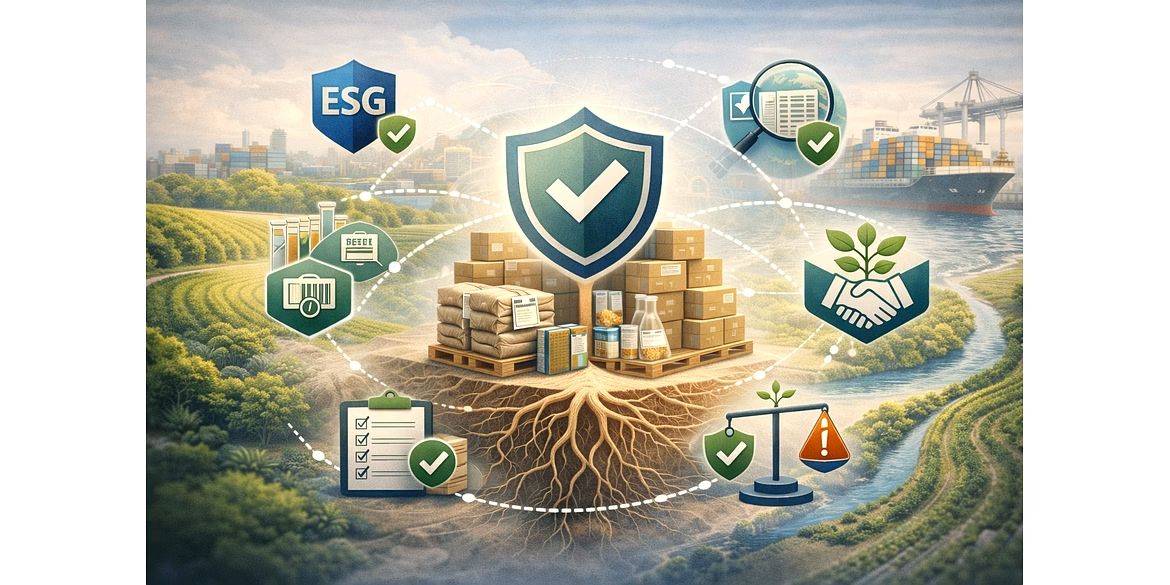

Ethical sourcing has become a core requirement in global agri trade, not a differentiator. Importers, multinational buyers, and institutional procurement teams increasingly evaluate suppliers based on how products are sourced, not just price or availability.
This shift is driven by ESG expectations, regulatory pressure, brand accountability, and long-term supply chain resilience. This article explains why ethical sourcing matters in global agri trade and how it directly impacts international buyers seeking lower risk and stronger procurement outcomes.
What Is Ethical Sourcing in Agri Trade?
Ethical sourcing in agri trade refers to procuring agricultural products in a way that is transparent, responsible, and compliant with environmental, social, and regulatory standards. It goes beyond raw material quality to include supply chain integrity and responsible procurement practices.
Ethical sourcing typically includes:
• Supplier integrity and compliance
• Responsible labor and safety practices
• Environmental responsibility
• Traceability and transparency
For global buyers, ethical sourcing reduces risk and strengthens long-term procurement strategies.
Environmental, Social, and Governance (ESG) criteria are now embedded in international procurement policies. Buyers are increasingly expected to demonstrate that their global supply chains align with responsible sourcing principles and withstand audit scrutiny.
For importers and global buyers, ESG compliance helps:
• Meet internal governance and audit requirements
• Align with investor and stakeholder expectations
• Reduce reputational and regulatory risk
• Strengthen long-term supplier relationships
Risk Reduction Through Ethical Sourcing
Unethical sourcing can expose buyers to serious risks, including regulatory penalties, shipment bans, legal liabilities, and long-term brand damage. Ethical sourcing reduces these risks by improving compliance controls and supply chain predictability.
Ethical sourcing helps prevent:
• Non-compliance with food safety and labor regulations
• Supply chain disruptions
• Product recalls linked to traceability failures
• Negative ESG or sustainability audits
Responsible sourcing strengthens supply chain resilience and supports importers in building stable, compliant sourcing programs across multiple markets.
Traceability is a cornerstone of ethical sourcing. Global buyers increasingly require visibility into where agricultural products come from, how they are handled, and how they move through processing and export dispatch.
Strong traceability supports:
• Batch-level tracking from sourcing to dispatch
• Faster response during audits or inspections
• Compliance with international food regulations
• Higher buyer confidence and accountability
Transparent sourcing builds trust across international trade relationships and reduces disputes around quality, origin, and compliance responsibilities.
Ethical Sourcing & Food Safety Compliance
Ethical sourcing directly supports food safety outcomes. Products sourced responsibly are more likely to meet hygiene, quality, and regulatory requirements because sourcing controls reduce contamination risk and strengthen documentation readiness.
Key compliance benefits include:
• Alignment with food safety authorities
• Support for HALAL and KOSHER requirements where applicable
• Reduced contamination and quality risks
• Better audit and documentation readiness
Global buyers increasingly prioritize suppliers who support long-term sustainability, not short-term cost advantages. Ethical sourcing enables stable procurement networks that can continue to perform under changing regulations and market conditions.
Ethical sourcing enables:
• Stable and reliable sourcing networks
• Responsible resource utilization
• Reduced environmental impact
• Long-term supplier and buyer alignment
Sustainable sourcing supports consistent supply and market continuity, helping importers reduce volatility and maintain dependable supply programs.
Ethical Sourcing as a Competitive Advantage for Buyers
For importers, working with ethically responsible exporters strengthens their own market position. Ethical sourcing supports compliance readiness while improving brand credibility in destination markets.
Buyers benefit through:
• Stronger ESG credentials
• Improved brand trust in destination markets
• Reduced regulatory and compliance exposure
• More resilient global supply chains
Ethical sourcing adds strategic value beyond product procurement, supporting long-term competitiveness and lower total supply chain risk.
In modern agri trade, buyers are accountable not only for what they sell, but also for how it is sourced. Ethical sourcing ensures that global trade is responsible, compliant, and sustainable.
For international buyers, ethical sourcing is a foundation for:
• Regulatory confidence
• ESG alignment
• Long-term supply security
• Trust-based partnerships
Frequently Asked Questions (FAQ)
1. What does ethical sourcing mean in agri exports?
Ethical sourcing means procuring agri products responsibly, ensuring compliance with food safety, labor, environmental, and regulatory standards.
2. Why is ethical sourcing important for global buyers?
It reduces regulatory risk, supports ESG compliance, protects brand reputation, and strengthens long-term supply chain stability.
3. How does ethical sourcing support ESG requirements?
Ethical sourcing aligns procurement with environmental responsibility, social accountability, and governance standards expected in global trade.
4. Does ethical sourcing impact food safety?
Yes. Responsible sourcing improves traceability, hygiene, and quality controls, directly supporting food safety compliance.
5. Is ethical sourcing required by international regulations?
Requirements vary by market, but many countries and buyers mandate traceability, compliance, and responsible sourcing as part of procurement standards.
6. How does ethical sourcing reduce supply chain risk?
It minimizes disruptions caused by non-compliance, supplier instability, or regulatory violations.
7. Do ESG-focused buyers prefer ethically sourced agri products?
Yes. ESG-focused buyers actively seek suppliers who demonstrate ethical, transparent, and sustainable sourcing practices.